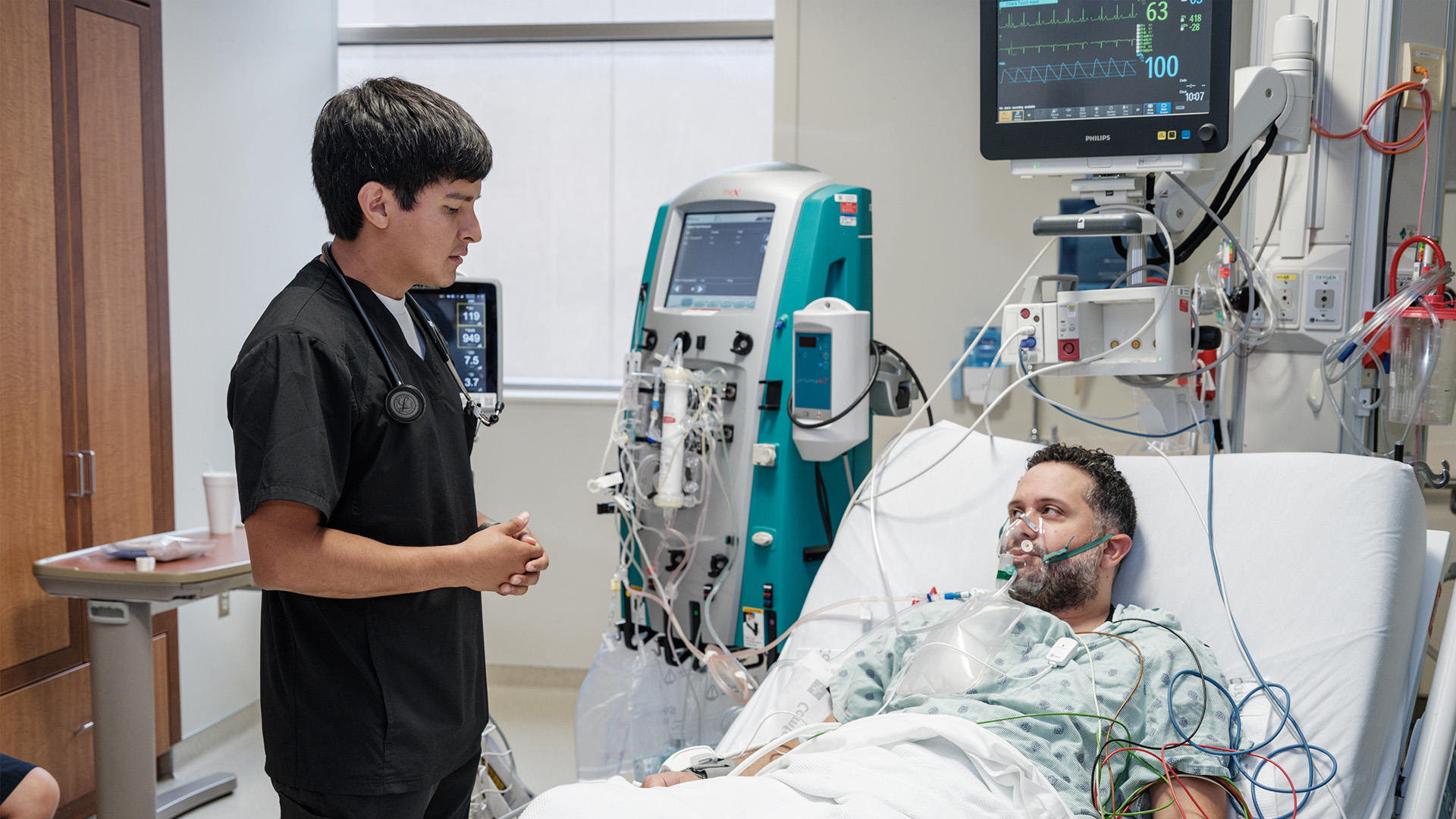
A new graduate program at UAMS Northwest is opening the door to one of the most in-demand and highest-paid health care careers in the country. Backed by a $3 million investment from the Alice L. Walton Foundation, Mercy and Washington Regional, the Certified Registered Nurse Anesthetist (CRNA) program will train advanced practice nurses to deliver anesthesia care and help meet growing workforce needs across Northwest Arkansas.
The program is scheduled to launch in January 2026 and will allow registered nurses to complete their CRNA degree without leaving the region. Students will spend the first year completing online coursework before transitioning to two years of in-person training in Fayetteville. By removing the barrier of relocation, the program offers a more accessible path for working nurses looking to advance their careers.
CRNAs are among the most in-demand professionals in the health care sector. According to the U.S. Bureau of Labor Statistics, the median salary for nurse anesthetists is $132,050 a year and the field is expected to grow by 40 percent over the next decade. These roles are critical to patient care, especially in rural or underserved areas where CRNAs often serve as the sole anesthesia providers.
This program aligns with broader efforts across Northwest Arkansas to build a stronger, more resilient health care workforce. A recent report by the Northwest Arkansas Council identified advanced practice providers like CRNAs as one of the top priority occupations for the region. The report also noted that Northwest Arkansas will need to add more than 2,000 health care workers by 2030 across both clinical and nonclinical roles. Many of these positions offer strong salaries, career stability and room for advancement.
The UAMS Northwest expansion joins a series of investments focused on addressing health care access, education and workforce pipelines in the region. These include new medical residency programs, expanded training sites for students and strengthened partnerships between education and health care institutions.
The CRNA program in particular may appeal to experienced nurses who want to deepen their scope of practice, take on leadership roles in surgical and procedural care, or serve communities facing provider shortages. It is also a key step toward retaining top talent and improving local access to care, especially as the region continues to grow.